Tank Work
Tanks That Keep Pressure in Check
Several kinds of tank keep a household water system stable. A thermal expansion tank on the water heater soaks up the extra volume that heating creates, a pressure tank lets a private well pump rest between runs, and a storage tank holds a reserve of backup or collected rainwater. When one fails, the signs tend to be pressure that spikes or sags, a pump that starts and stops constantly, a relief valve that drips, or damp fittings, and none of them improve on their own.
Newington Plumber fits and repairs these tanks across Newington, CT. Good work means matching the tank’s size to the heater, pump or demand, setting the air charge to the house pressure and piping it in with the correct valves, so pipes, fixtures and equipment are spared the strain.
Tank Services
Water Tank Work We Handle
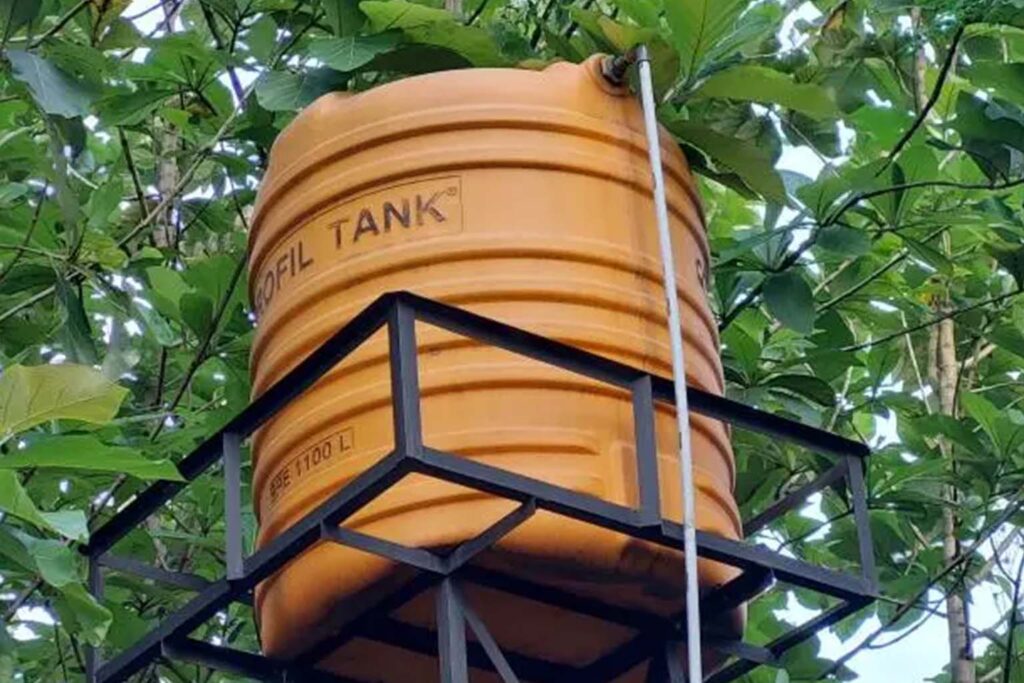
Fitting a Brand-New Tank
Expansion, well pressure and storage tanks, each chosen to match the heater, pump or amount of water the home uses.
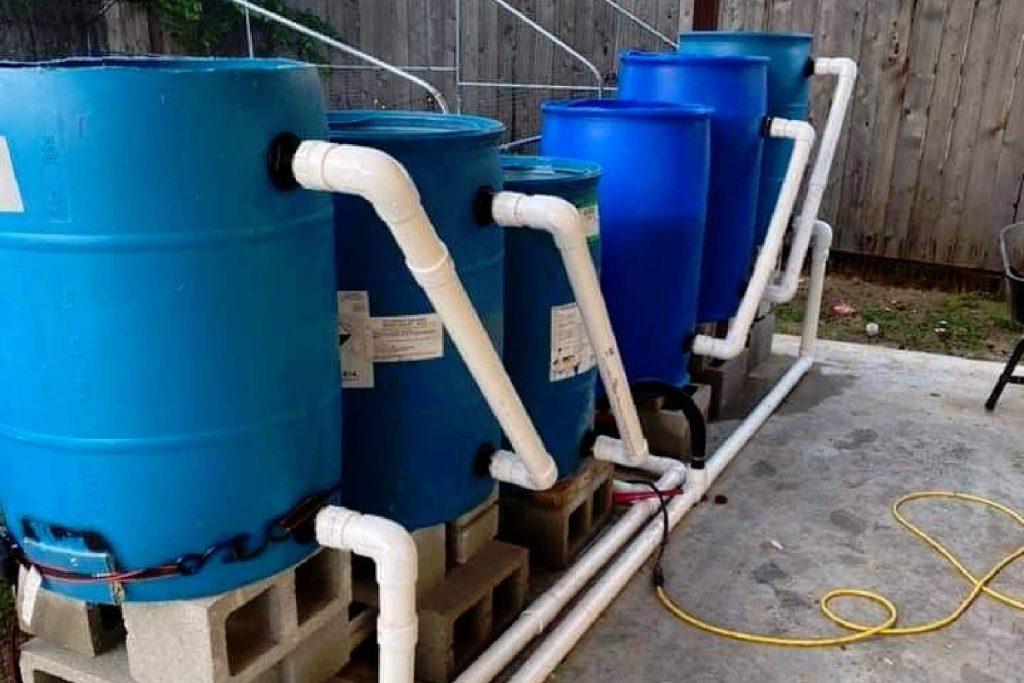
Replacing a Worn Tank
A tank that has rusted, sprung a leak, lost its air or proven too small gets swapped for one that suits the system.
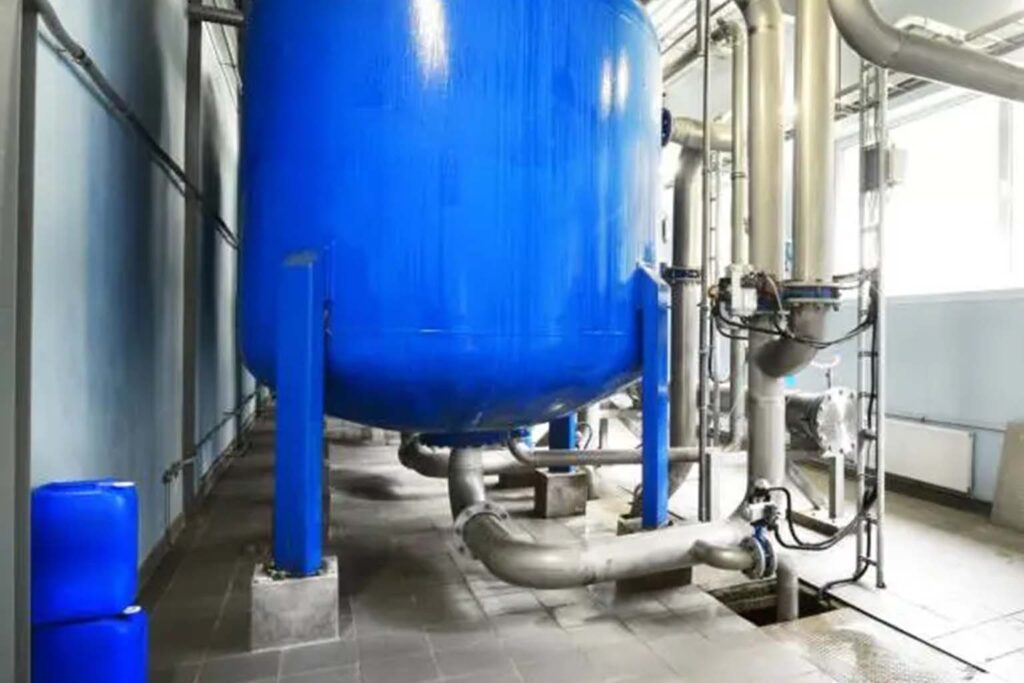
Expansion Tank Checks
Testing and resetting the air charge, swapping tanks whose bladder has failed, and curing a relief valve that drips whenever the heater fires.
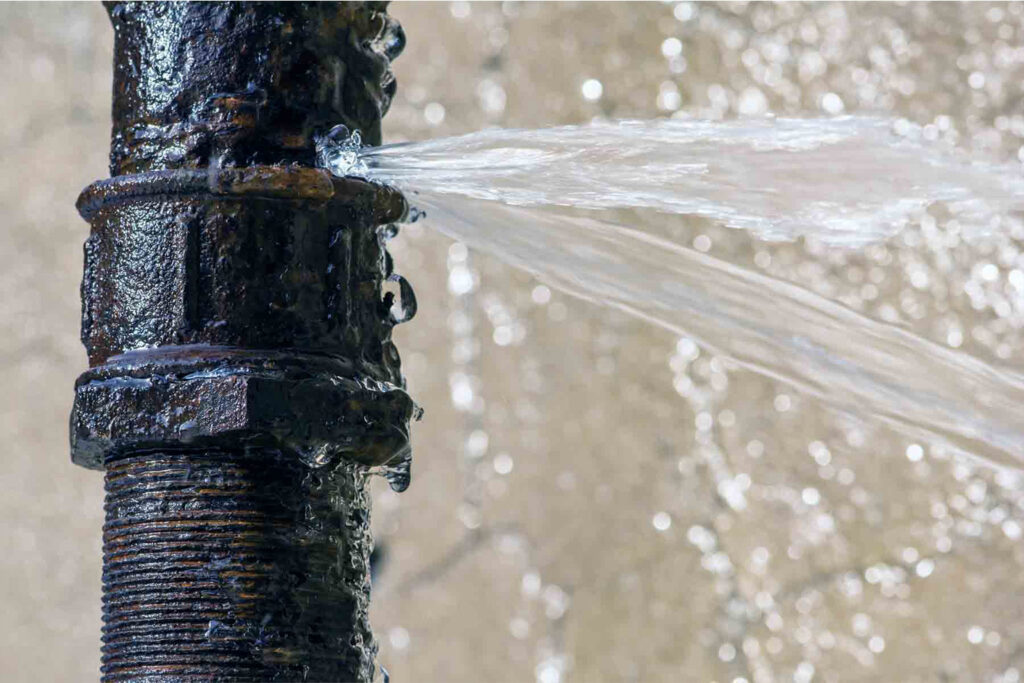
Fixing Tank Leaks
Leaks from the shell, the inlet and outlet joints, fittings or valves get stopped before water reaches floors or drywall.
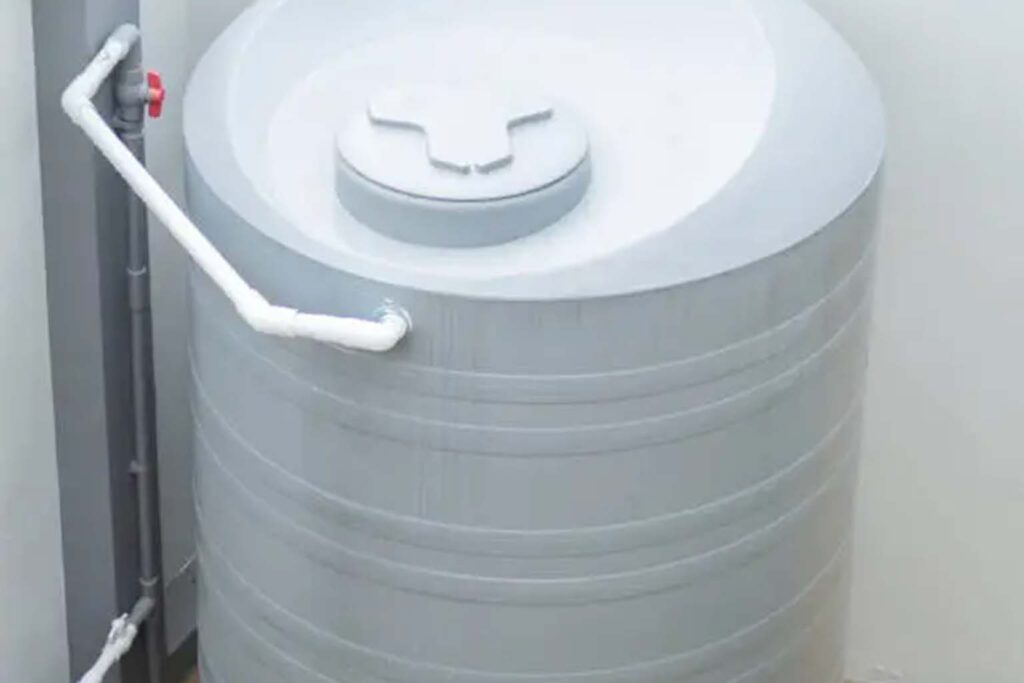
Well Tank Troubleshooting
Sorting out waterlogged tanks, badly set pressure switches and pumps that short-cycle, which wears well gear out early.
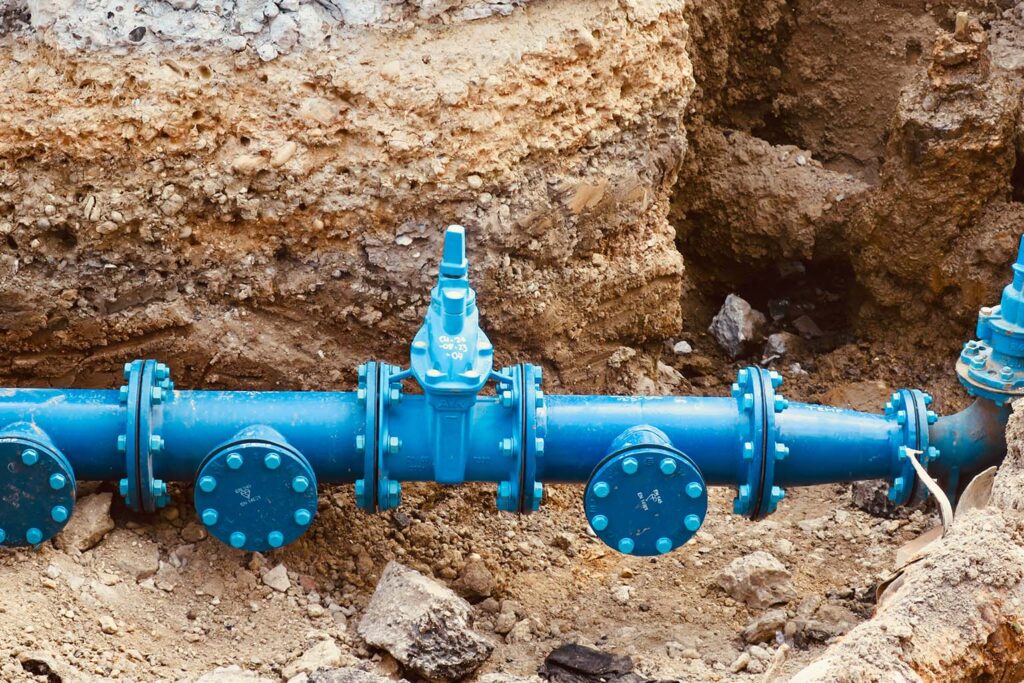
Pipes, Valves and Gauges
Corroded or worn piping, shut-off valves, gauges and brackets around the tank can all be renewed.
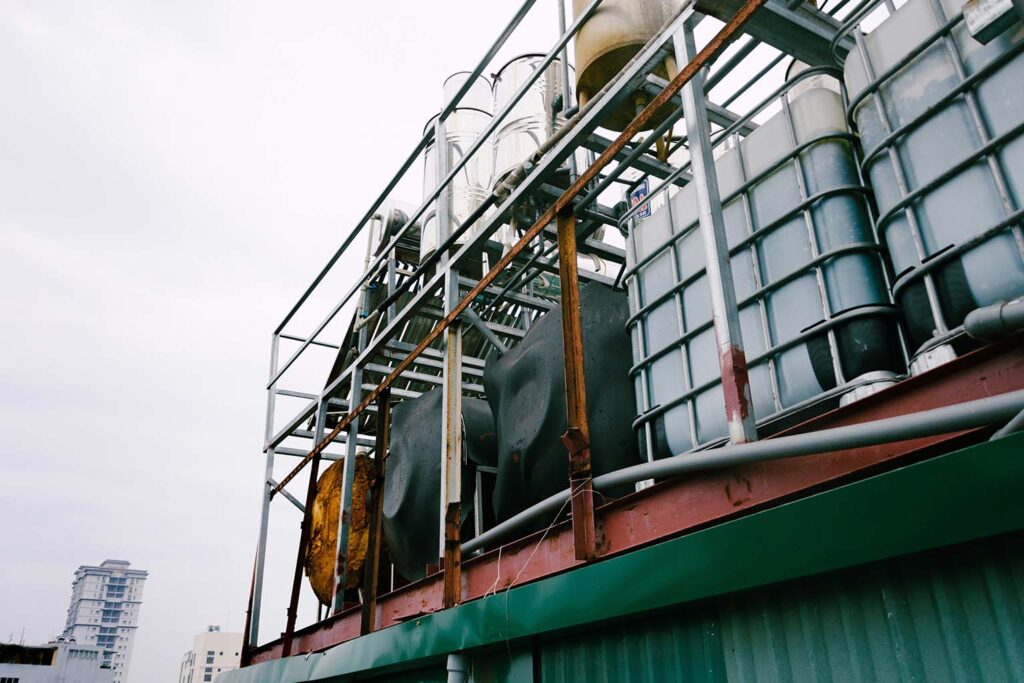
Hooking Up Storage Tanks
Backup and rainwater tanks tied into the house with the pumps, filters and backflow devices that keep supply water clean.
How It's Done
What Newington Plumber Brings to Water Tank Jobs

Following the Maker's Specs
Hookup should follow the maker’s manual. Ask for a license number and look it up with the Connecticut Department of Consumer Protection.

Close to Home
The work centers on Newington, CT, so a return visit to check a new tank is easy to ask about.

Root-Cause Repairs
Whether it is one failed expansion tank or a whole well tank, the aim is to fix why it failed too.

Straight Answers
Help picking the size and style of tank that suits your heater, well or storage plans.

Respect for the House
Ask for drop cloths, a tidy work area and the old tank hauled away when the job ends.
Say which tank it is, what it is doing and when it started, and the conversation can begin from there.
Symptoms
Water Tank Faults Worth a Call
- Drips at the shell or joints
- A relief valve that keeps weeping
- Pressure spiking, then sagging
- A well pump that never settles down
- Rust streaks on the tank
- Bladder tanks full of water
- Knocking in the pipes
- Expansion tanks too small or dead
- A tank that loses its charge
When a tank starts acting up, the cause can usually be traced and dealt with properly.
Neighborhoods covered
Water Tank Service Around Newington, CT and Nearby
Tank work is available in these areas:
Questions Homeowners Ask
Water Tank Questions
Why add an expansion tank at all?
Heated water takes up more room than cold. Once a check valve or pressure-reducing valve closes the system off, that added volume cannot flow back to the main, so pressure climbs on every pipe, valve and the heater. The tank’s air cushion compresses to take the extra water, holding pressure level and keeping the relief valve dry.
How can I tell my expansion tank has gone bad?
Knock on it. A healthy tank rings hollow toward the top; a waterlogged one sounds dull from end to end. Other clues include a relief valve that weeps, pressure that rises whenever the heater runs, and water rather than air escaping from the tank’s valve stem.
What are the warning signs of a failing well tank?
Short cycling is the classic clue: with a faucet open, the pump kicks on and off every few seconds. Watch also for flow that pulses at the tap, a gauge needle swinging up and down fast, or rust and sweat on the steel shell.
Why does my water heater valve keep dripping?
Often the cause is pressure building as the heater fires, which happens when an expansion tank is missing or has failed. A worn valve can drip too. Since the temperature and pressure relief valve is a safety device, get it looked at rather than capping it.
What helps a pressure tank last longer?
Water chemistry, the pressure setting and how often the pump starts all affect it. Checking the air charge at routine service and curing short cycling as soon as it appears do the most to stretch a tank’s life.
Is swapping a tank a DIY job?
It means draining down, matching the air charge to house pressure and making sealed joints, and errors can flood a basement. Changing piping takes a permit, and in owner-occupied one- and two-family homes the owner obtains it from the Newington Building Department.
How is an expansion tank sized?
Two numbers drive it: the heater’s gallon capacity and the incoming water pressure. Match the tank to both. Too small a tank still lets pressure creep up; too large a tank simply costs more without doing any extra good.
Must my water heater have an expansion tank?
Usually, when a check valve or pressure-reducing valve on the main line makes the plumbing a closed system. Many codes expect one alongside a new heater, so ask whoever quotes the job to confirm whether your own system counts as closed.
What causes a well pump to short-cycle?
The usual culprit is a tank that has lost its air charge or has a torn bladder, so it no longer holds water under pressure. A faulty pressure switch can do the same. Left alone, all that constant starting and stopping burns out the pump.
Can a storage tank tie into house piping?
It can, but expect some paperwork first. Connecticut and Metropolitan District rules on cross connections require the property owner to tell the MDC and have plans approved before installing equipment that could let contaminants into the drinking water.
What affects the cost of a new water tank?
Tank type and size, how hard it is to reach, and whether nearby piping or valves need renewing alongside it all shape the bill, as does any permit. Ask for a written estimate before any work starts.
What should an outdoor storage tank sit on?
A firm, level base matters most: a concrete pad for big tanks or soft ground, compacted gravel or a rated stand for smaller ones. Outdoors, also plan for frost; NOAA normals show about 121 days a year dipping to 32 F or lower nearby.