Blocked drain repair helps commercial property owners restore safe drainage after grease, foreign objects, roots, or damaged pipes cause a blockage. The best response is to stop water use, protect people, and arrange a clear inspection. Early action can limit odors, leaks, tenant disruption, and damage to floors, walls, and building systems.
What causes blocked drains in commercial properties?
Commercial drains often block because they carry more water and waste than home systems. Tenant activity, food waste, grease, paper products, and foreign objects can build up inside pipes. A blockage may start in one unit but soon affect shared lines, restrooms, kitchens, or floor drains across the property.
How do tenant activity, grease, and foreign objects cause blockages?
Grease is a common cause in restaurants, food areas, and shared kitchens. It may enter the drain as a liquid, then cool and stick to the pipe walls. Over time, the opening gets smaller. Food scraps, wipes, paper towels, and packaging can make the blockage worse.
Bathrooms may also suffer from too much paper, cleaning products, or items that should not enter the toilet. In offices, stores, and apartment buildings, tenants may not know which materials can harm shared plumbing. Clear rules and regular checks can prevent many avoidable problems.
A slow drain is often an early warning. Gurgling sounds, bad smells, standing water, and repeated backups should not be ignored. Property managers can record the location, time, and pattern of each problem. This information helps a plumber decide whether the cause is local or part of a larger building line.
Why do ageing pipes, tree roots, and poor design matter?
Older pipes may crack, shift, corrode, or collect heavy buildup. A damaged pipe can catch paper, grease, and other waste more easily. Tree roots may enter small joints or cracks in underground lines, where they grow and block the flow.
Poor drain design can also cause repeat trouble. Pipes may have weak slopes, narrow sections, poor venting, or connections that cannot handle the building’s use. These issues may affect several tenants at once. Blocked drain repair should address the cause, not only clear the water for a short time.
Newington Plumber can help property owners review the likely source of a blockage and choose the right next step. Local conditions, building age, and property type all affect the inspection. In Newington, older buildings and busy commercial sites may need closer checks of shared drainage lines.
What risks can a blocked drain create for a commercial building?
A blocked drain can interrupt normal building use and cause damage if water backs up. The risk depends on the blockage location, the water entering the system, and how long the problem lasts. A slow drain may become an urgent plumbing failure during busy hours or heavy use.
How can blockages affect tenants, customers, staff, and operations?
A blocked restroom or sink can quickly affect tenant comfort and customer trust. Bad smells, standing water, and overflowing fixtures can make a space unpleasant or unsafe. In a restaurant, store, office, or apartment building, the problem may close part of the property until the drain is safe to use.
Water can damage flooring, drywall, cabinets, stored goods, and electrical equipment. Damp areas may also support mold growth when they are not dried quickly. A leak below a ceiling, near a wall, or beside equipment needs prompt attention because hidden damage may continue after visible water is gone.
Property managers should tell occupants which fixtures to avoid. They should also keep access clear for inspection and record affected rooms. Photos, repair notes, and tenant reports can help show when the problem began and whether it happened before.
When does a drainage problem become a health, safety, or property concern?
A drainage problem becomes more serious when wastewater enters occupied areas. Contaminated water can carry germs and should not be touched without proper protection. Occupants should stay away from affected areas until the source is controlled and surfaces are cleaned safely.
Flooding can also create slip hazards and damage building systems. If water reaches electrical outlets, panels, appliances, or mechanical rooms, people should keep clear and contact the proper emergency services when needed. A pipe burst, sewage backup, or fast-moving leak needs urgent action instead of repeated attempts to clear one fixture.
Commercial insurance, leases, and local rules may require records of the incident and repairs. Property owners should follow their own policies and seek qualified advice when contamination or major damage is involved. The plumbing response should support these duties, not replace them.
How is blocked drain repair handled in commercial properties?
Professional blocked drain repair usually starts with an inspection, not a guess. The plumber identifies affected fixtures, checks nearby lines, and looks for signs of a shared blockage. The repair plan should explain the likely cause, the work needed, and any limits caused by access or hidden pipe conditions.
What should a professional inspection and diagnosis include?
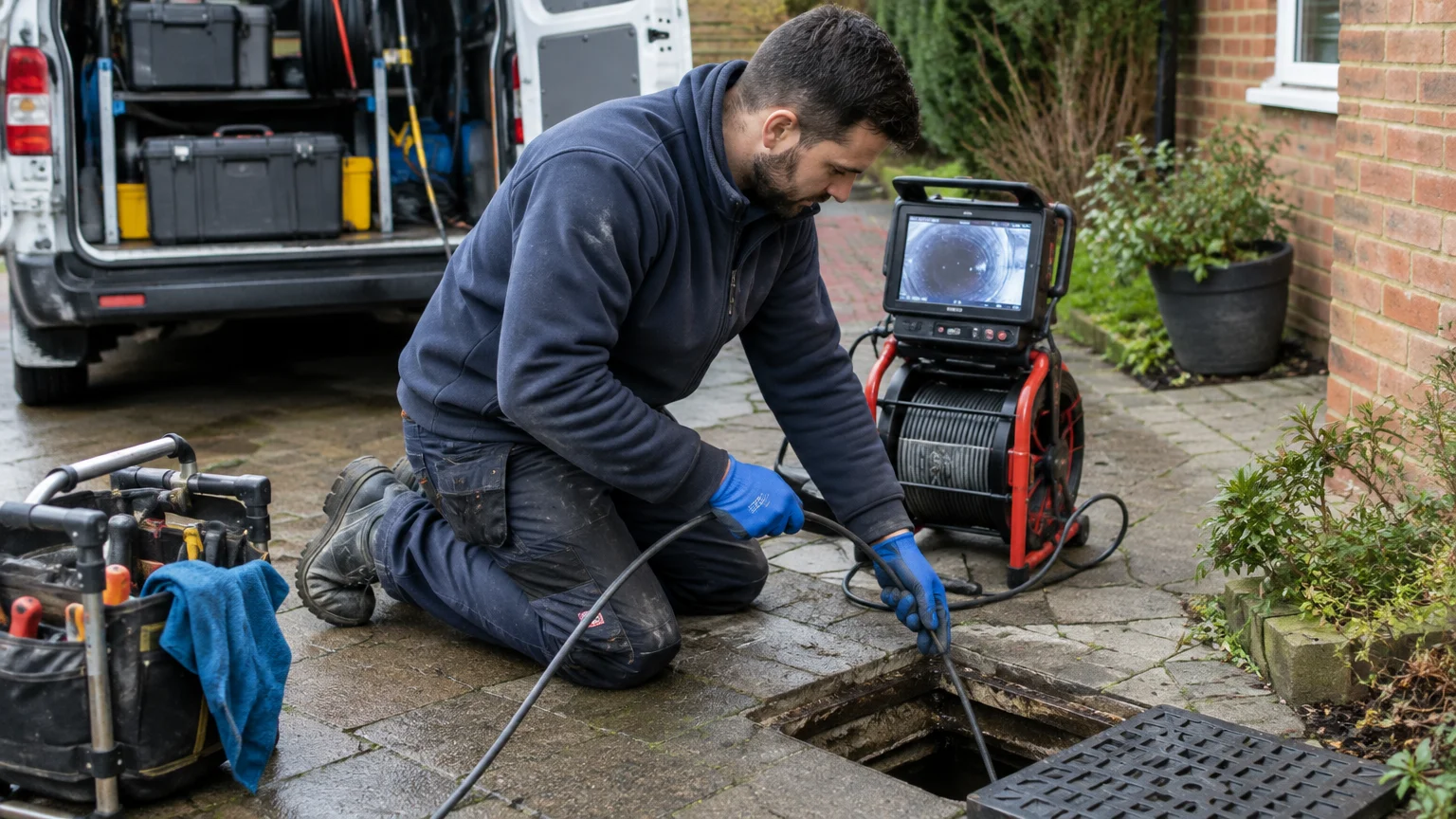
A proper inspection may include fixture tests, access-point checks, drain cleaning, and a camera inspection when the blockage keeps returning. A drain camera is a small tool that sends live images through a pipe. It can help find roots, cracks, collapsed sections, heavy buildup, and misplaced connections.
The plumber may also review repair records and ask when the issue began. Repeated blockages in one area can point to a damaged line rather than normal buildup. A clear diagnosis helps the owner decide whether cleaning is enough or whether lasting drain repair or pipe repair is needed.
Simple checks are safe for staff when the problem is minor. They can stop using the affected fixture, remove visible debris, and see whether another nearby fixture drains normally. They should not open pressurized equipment, enter a confined space, use harsh chemicals in shared systems, or work on damaged underground lines.
How do repair methods differ for offices, retail spaces, and multi-unit buildings?
An office may need a focused repair for a restroom, break room, or floor drain. A retail property may need work planned around customers, stock, and opening hours. A restaurant may need special care for kitchen drainage and grease buildup. The repair should fit the building’s use and limit needless disruption.
Multi-unit buildings need a wider review because one shared line can affect several homes or suites. The plumber may isolate a section, inspect common pipes, and coordinate access with tenants. Property managers should give occupants clear notices and avoid promising a completion time before the cause is known.
Repairs can range from professional drain cleaning to pipe replacement or repair. The final cost is confirmed on a quote after the condition, access, urgency, parts, and work scope are known. Smaller, easy-to-reach blockages are usually simpler than damaged shared lines or buried pipes.
What should property owners and managers do after a drain blockage?
Property owners and managers should first protect people, limit water use, and arrange a proper assessment. They should not keep using fixtures that feed the blocked line. Quick action can reduce overflow, protect contents, and help the plumber find the cause before conditions change.
What immediate steps can limit damage?
The first steps should be simple and controlled:
- Stop using affected sinks, toilets, showers, and floor drains.
- Keep tenants, customers, and staff away from standing water.
- Move stored goods and equipment away from wet areas when safe.
- Shut off nearby water only when the correct valve is known.
- Record affected fixtures, rooms, odors, sounds, and visible damage.
- Arrange qualified plumbing help for recurring, severe, or shared-line problems.
Staff should not pour chemical drain cleaners into a commercial system without professional guidance. These products may harm pipes, create dangerous fumes, or make later repair work less safe. A plunger may help with a small fixture blockage, but repeated use without finding the cause can delay needed plumbing repair.
How can preventative maintenance reduce recurring drainage problems?
Preventative maintenance means planned checks and cleaning before a failure occurs. A property manager can set rules for grease, wipes, paper products, and other waste. Kitchens may need grease control and regular drain care. Shared buildings benefit from records that show which lines fail and how often.
Managers should also inspect visible cleanouts, floor drains, exposed pipes, and areas with past water damage. They can ask tenants to report slow drains early instead of waiting for an overflow. Drain cleaning, leak checks, and pipe inspections should be based on building use and past problems, not one fixed schedule.
Newington Plumber supports property plumbing needs for owners and managers across the main Newington area, from Newington Center and West Hill to New Britain, Wethersfield, Rocky Hill, Berlin, and nearby communities. A clear maintenance plan can help protect tenant comfort, reduce disruption, and keep small drainage signs from becoming larger building problems.
Key takeaways
- Grease, foreign objects, roots, damaged pipes, and poor design can block commercial drains.
- A slow drain, odor, gurgle, or backup may signal a larger shared-line problem.
- Stop water use and protect people before arranging a professional inspection.
- Simple cleaning may solve a minor blockage, but repeat failures need diagnosis.
- Planned maintenance and clear tenant rules can reduce recurring drainage issues.
Frequently Asked Questions
Can a property manager clear a small drain blockage?
A property manager can stop fixture use, remove visible debris, and try a basic plunger on one slow fixture. Chemical cleaners and pipe entry are not suitable for routine staff work. If water backs up, several fixtures are affected, or the issue returns, professional blocked drain repair is safer.
What should someone do if a pipe bursts in a commercial building?
Stop using nearby fixtures and move people away from the water. Shut off the local valve only if it is clearly identified and safe to reach. Protect equipment without entering unsafe areas, record the damage, and arrange urgent plumbing help. Electrical hazards require extra distance and qualified emergency support.
How can a property owner find a hidden plumbing leak?
A hidden leak may show through damp walls, peeling paint, warm spots, musty odors, rising water use, or sounds when fixtures are off. The owner should check visible valves and fixtures without opening walls. A plumber can trace the source with suitable tests before water causes more damage.
How often should commercial drains be checked?
There is no single schedule for every building. Busy kitchens, older properties, and buildings with repeated backups need closer review than lightly used offices. Managers should track slow drains, odors, and past repairs, then plan inspections and cleaning around actual use. Early checks are useful when any warning sign appears.
Conclusion
Commercial drainage problems need a planned response. Property owners and managers can reduce harm by limiting water use, protecting occupants, recording the signs, and finding the real cause. A lasting solution may require cleaning, camera inspection, pipe repair, or changes to building practices.
Newington Plumber helps property owners with blocked drain repair needs throughout the Newington area. Contact us to arrange professional help for a commercial drainage problem.