

A small Saturday drip can turn into a Sunday flood if no one acts. Basic plumbing repairs are the small, low‑risk fixes you can do yourself with hand tools—like clearing a slow drain, swapping a toilet flapper, tightening or reseating a P‑trap gasket, or cleaning a faucet aerator. This guide explains what’s typically safe for a homeowner to try, which tools to keep on hand, and when to stop and call a licensed plumber in Newington.
Newington Plumbing works across Newington every week, and we see the same simple issues in many homes and small businesses. With a few steady steps, you can handle minor leaks and slow drains, protect your finishes, and know when a pro is the right move in Newington and nearby suburbs.
Executive summary: Handle small leaks, clogs near the trap, and running toilets with basic tools and caution. Shut water off at the fixture first, use a bucket and gloves, and avoid harsh chemicals. If you smell sewage, have widespread clogs, or suspect gas or water heater issues, pause and bring in a licensed plumber.
Key Takeaways
- Basic plumbing repairs you can do safely include plunging, trap cleaning, aerator maintenance, and toilet flapper or fill‑valve swaps.
- Always turn off water at the fixture, use a bucket and towels, and wear gloves and eye protection.
- Skip harsh chemical drain cleaners; use plungers, a hand auger, and trap cleaning instead.
- Call a professional for gas lines, water heaters, sewer line problems, or any backup from a floor drain.
- Newington Plumbing helps homeowners with Emergency Plumbing and Drain Cleaning when DIY isn’t enough.
Table of Contents
- Before You Start: Safety, Scope, and Legal Considerations
- Tools and Materials: A Starter Kit for DIY Fixes
- Clearing Slow and Clogged Drains Without Harsh Chemicals
- Stopping Faucet and Sink Leaks the Right Way
- Running Toilets and Minor Leaks: Fast, Reliable Fixes
- Garbage Disposals, Odors, and Under-Sink Drain Care
- Preventive Maintenance and When to Call a Plumber
Before You Start: Safety, Scope, and Legal Considerations
Basic plumbing repairs are small tasks that don’t require opening walls, touching gas, or changing the main drain. Think clearing a trap, reseating a gasket, replacing a toilet flapper, or swapping a faucet aerator. These fixes rely on simple tools and careful steps, not heavy demolition. Done promptly, they can stop leaks and protect cabinets, floors, and countertops.
Safety comes first. Water can damage finishes in minutes. Turn off water at the fixture valve before removing parts, and test the shutoff by opening the tap. Place a bucket and towels under any trap. Wear gloves and eye protection when cleaning drains. Never mix cleaners, and don’t pour chemicals into a disposal or toilet.
Know the limits. Don’t open a water heater, cut pipe, or touch gas lines—gas requires a licensed installer. If you detect a rotten egg smell, leave the building and call your utility. If sewage odors come from multiple drains, or water rises from a floor drain, stop and call Emergency Plumbing. Sewage carries health risks, and the home’s main sewer may be blocked.
Permits may be required for major work like repiping, water heater swaps, or sewer line repair—these are not DIY. In many cities and states, codes require a licensed plumber for such projects. When in doubt, ask your local building office. Small repairs like flapper replacements or aerator cleaning typically don’t need permits in Newington.
Stop immediately if you see sparking, rapidly wet drywall, bulging ceilings, or water near outlets. Shut off the home’s main valve if a pipe bursts. Then call a professional. If a pipe ruptures, close the main, open a faucet to relieve pressure, and move valuables. Drying quickly helps limit damage.
Tools and Materials: A Starter Kit for DIY Fixes
A compact kit handles most simple repairs. A cup plunger for sinks and a flange plunger for toilets tackle the majority of clogs. A basic hand auger (drain snake) reaches hair and soap scum near the trap. Channel‑lock pliers, an adjustable wrench, and a basin wrench are ideal for nuts under sinks. Add a small screwdriver set and a hex key set to round out the box.
Include a flashlight or headlamp for tight cabinets. A utility knife helps cut tape and old sealant. A tape measure confirms supply line lengths. Keep rags and a small bucket handy. A level helps you align traps to avoid leaks. Teflon tape (thread seal tape) seals threaded joints on supply lines and shower arms.
Stock common wear parts. Keep spare toilet flappers that match your brand and size. Consider an extra fill valve and tank‑to‑bowl gasket. If you know your faucet models, store the right cartridges or O‑rings. Universal faucet repair kits can tide you over. Keep 1‑1/4" and 1‑1/2" slip joint washers for P‑traps.
Useful consumables include plumber’s putty for sink drains, silicone for select seals, and a mild cleaner for aerators. White vinegar dissolves mineral scale on parts. A nylon brush cleans threads without scratching. Keep short and long braided supply lines for toilets and faucets in case one fails mid‑repair.
Label bins for washers, gaskets, and screws—small parts disappear quickly under a sink. Take photos before disassembling a trap to match angles and heights during reassembly. Close the drain or use a parts tray to keep tiny screws from falling into the pipe.
Clearing Slow and Clogged Drains Without Harsh Chemicals
Most slow drains come from hair, soap film, grease, or food scraps near the trap. Start simple. For sinks and tubs, use a cup plunger. Block the overflow with a damp cloth to improve force. Fill the basin with a few inches of water and plunge in short bursts. Repeat until flow improves.
If plunging fails, check the trap. Place a bucket under the P‑trap. Loosen the slip nuts by hand or with pliers. Remove the trap and clear debris. Clean both the trap and trap arm. Replace worn slip joint washers if they look cracked or flattened. Hand‑tighten, then add a quarter‑turn—avoid over‑tightening.
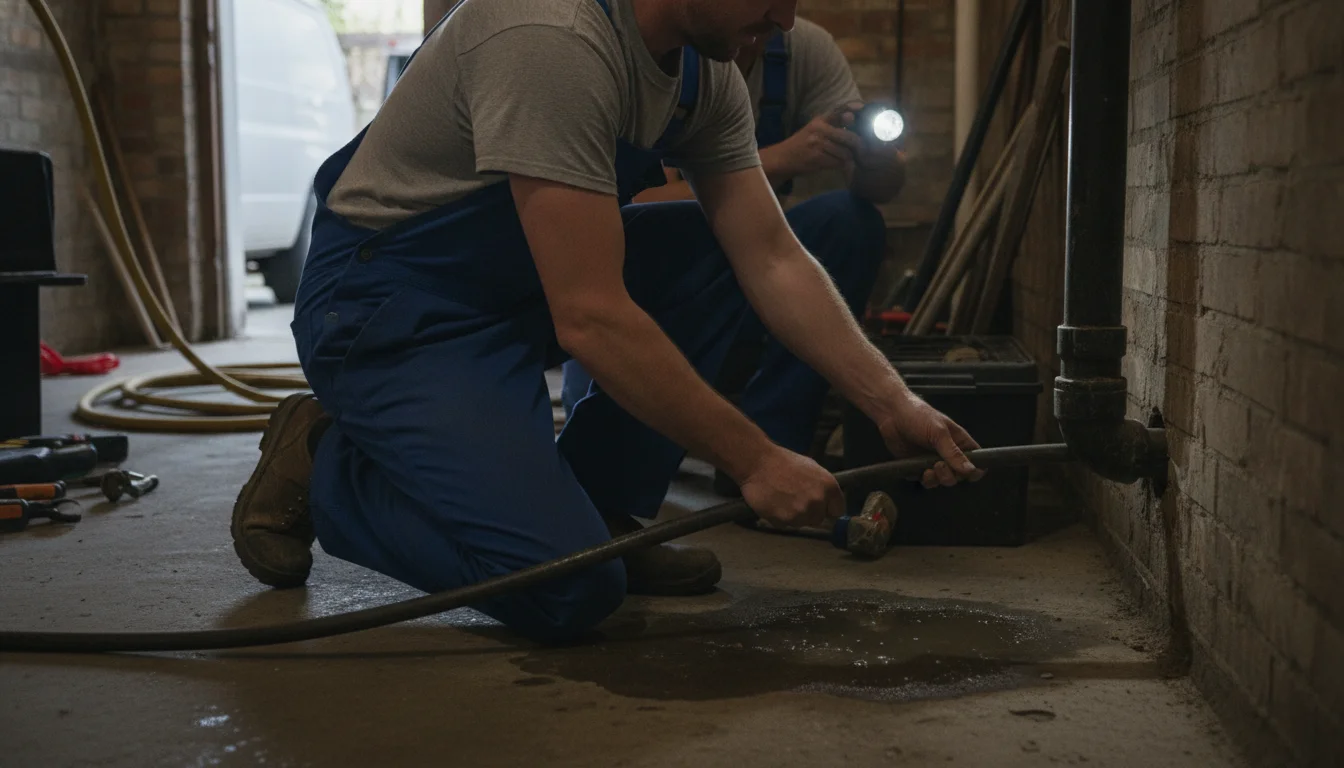
A hand auger helps you reach past the trap to the first bend. Feed the cable, turn the handle, and feel for resistance. Crank to break the clog. Pull back slowly and wipe the cable. Run hot water to test the flow. Avoid harsh drain chemicals—they can damage pipes, harm disposals, and pose burn risks.
For showers and floor drains, hair and biofilm often build at the strainer. Remove the cover. Use a hair hook or a small plastic barbed tool to pull debris. Scrub the drain throat with a nylon brush and mild cleaner. Rinse well. If multiple fixtures gurgle or you see sewage at a floor drain, it’s a red flag for a main line issue in your Newington home.
Watch for sewer backup signs. Repeated clogs across the home, toilet bubbling when a sink drains, and strong sewer gas odors point to a deeper problem. Tree roots, a broken line, or a heavy blockage may be the cause. That calls for Drain Cleaning or sewer line work by a licensed pro. Don’t keep plunging if sewage is present.
Stopping Faucet and Sink Leaks the Right Way
A faucet drip wastes water and can stain sinks and countertops. Start with the easy step: the aerator—the small screen at the spout. Unscrew it, soak in vinegar to loosen minerals, rinse, and reinstall. If the drip persists, the internal cartridge, stem, or O‑ring may be worn. Shut off water at the valves before you open the faucet.
Remove the handle to expose the cartridge or stem. Note the brand and model if possible. Pull the part straight out. Inspect O‑rings for cracks or flat spots. Replace with the same size, adding a light coat of plumber’s grease to help seats seal. Reassemble and test. Most drips stop once worn parts are replaced.
Under‑sink leaks often come from the drain assembly or trap where gaskets dry out or misalign. To reseal a sink drain, loosen the locknut under the sink, lift the flange, roll a small ring of plumber’s putty, and place it under the flange. Seat the flange and tighten the locknut evenly. Wipe away extra putty.
For trap leaks, check alignment first. The trap arm should slope slightly toward the wall. Replace slip joint washers with the conical side facing the nut. Hand‑tighten, then give a small extra turn with pliers. Run water and watch for drips. Use a dry tissue on joints to spot fine leaks. A steady drip means you should revisit the washer or the alignment.
Never use sealant on slip joints—they’re meant to be serviceable. Don’t cross‑thread plastic nuts. If a nut feels rough or angled, back off and try again. If a tailpiece is dented or split, replace it. Small parts are inexpensive and can save time later.
Running Toilets and Minor Leaks: Fast, Reliable Fixes
A running toilet wastes water and creates constant noise. A quick test helps isolate the cause. Add a few drops of food coloring to the tank and wait without flushing. If the bowl water changes color, the flapper is leaking. If water rises to the overflow, the fill valve level is set too high. Check the tank waterline mark.
Examine the chain. If it’s too short, the flapper can’t seal; if too long, it can get trapped under the flapper. Aim for slight slack. Adjust the handle nut if the lever binds. If the flapper is worn or warped, replace it—matching size and style to your valve and brand.
To replace a flapper, shut off the supply and flush to drain the tank. Unclip the old flapper from the overflow tube, clip the new one in place, and attach the chain with a small slack. Turn water on and test. If the leak remains, the seat may be rough, requiring a new flush valve—a larger job and often best left to a pro.
If the tank overfills, adjust the fill‑valve float to the tank mark—many floats twist to raise or lower the level. If the valve hisses or won’t shut off, replace it. Turn water off, disconnect the supply line, remove the old valve nut, lift the valve, set the new one, tighten, reconnect, and test for dry joints.
Small leaks at the tank bolts or the tank‑to‑bowl gasket can drip down the back. Replace the rubber washers at the bolts and the large donut gasket between tank and bowl. Tighten both bolts evenly so the tank sits flat. Don’t overtighten—porcelain can crack.
Garbage Disposals, Odors, and Under-Sink Drain Care
If a disposal hums but doesn’t spin, it may be jammed. Turn the switch off, then unplug the unit or shut power at the breaker. Use the hex key slot at the bottom to turn the motor back and forth to free the jam. Press the small reset button on the base, restore power, and test with water running.
Never put your hand into the disposal. Use tongs to remove debris if needed. Avoid hard pits, bones, and fibrous peels—they can tangle or dull the impeller. Feed small amounts with cold water running to help move scraps through the trap and into the line.
Odors commonly come from biofilm on the splash guard and in the trap. Clean the rubber guard with a brush and mild cleaner. Grinding ice with a little baking soda can help scrub the chamber. Rinse with cold water. Avoid harsh cleaners or bleach mixes; they can harm parts and release fumes.
Under‑sink leaks often start at the disposal gasket, dishwasher inlet hose, or sink strainer. Check with a dry tissue while water runs. Inspect the top ring of the disposal where it meets the sink. If damp, reseat the mounting ring and replace the gasket. For dishwasher hose leaks, tighten the clamp or replace the hose.
If odors come from many drains, or a floor drain bubbles, you may have a vent or main line issue. That’s a job for a Blocked Drain Plumber. Multiple affected fixtures suggest a shared line problem. Don’t run the dishwasher or washing machine until a pro clears the line.
Preventive Maintenance and When to Call a Plumber
A simple routine keeps drains clear and fixtures working. Each month, clean faucet aerators and showerheads in vinegar to remove scale. Remove hair from shower strainers weekly. Run hot water after dishwashing to move grease traces along. Keep coffee grounds, fats, oils, and wipes out of drains—even “flushable” wipes can clog lines, as many utilities warn.
Seasonal checks help, too. Before holidays, schedule Drain Cleaning if you’re hosting large groups. Test toilet shutoff valves by turning them and then turning back—replace any that stick. Insulate exposed pipes before a freeze. Know where the main shutoff is and label it. A fast shutoff limits water damage if a pipe bursts in your Newington property.
Watch for red flags. Many slow drains, sewer odors, or water backing up at a floor drain point to a main line issue. Gurgling in sinks when the washer drains can also signal this. Water stains on walls, warm spots on floors, or a sudden jump in the water bill may mean a hidden leak. A persistent musty smell can indicate long‑term damp. After any sewage backup, avoid the area and call a pro—wastewater exposure can introduce harmful germs, as public health agencies caution in their wastewater safety guidance.
Some tasks require a licensed pro. Gas work, water heater repair or replacement, and sewer line repair aren’t DIY. Water heaters carry scald and pressure risks, and gas lines must be leak‑tested and installed to code. If you’re wondering “who installs gas lines near me,” the safe path is Gas Line Plumbing by a licensed plumber.
If a pipe bursts, turn off the main, open a faucet to lower pressure, and move items from the area. Don’t use open flames to thaw frozen pipes—use gentle heat and call Emergency Plumbing for safe thawing and repair. After any sewage backup, steer clear of the area until a professional addresses it.
Newington Plumbing serves homes and businesses across the Newington area and greater Newington. For heavy clogs, sewer backups, or any urgent water leak, a trained tech can help quickly. Book Drain Cleaning or Emergency Plumbing for fast relief, then follow the steps in this guide to keep things running smoothly.
Frequently Asked Questions
What should I do first if a pipe bursts?
Shut off the main water valve right away. Open a nearby faucet to release pressure, move items from the wet area, and place buckets under drips. Don’t turn on power near water. Then call a licensed plumber to repair the break and check for hidden moisture in walls and floors.
How do I fix a running toilet quickly?
Start with the chain length and the flapper seal. Add slight slack to the chain so it lifts and then drops cleanly. If dye in the tank colors the bowl, replace the flapper. Set the fill valve to the tank waterline and test for a steady level and silence.
Is it safe to use chemical drain cleaners?
Avoid harsh chemical cleaners. They can damage pipes, disposal parts, and seals, and they can splash and burn skin or eyes. Try plunging, trap cleaning, and a hand auger. If several drains are slow at once, schedule professional Drain Cleaning to clear the main line safely.
Who installs gas lines near me?
Gas line work must be done by a licensed plumber. It needs proper materials, tested joints, and code checks for safety. For any new gas appliance, relocation, or suspected leak, book Gas Line Plumbing. Don’t attempt DIY gas work. If you smell gas, leave and call your utility.
How often should I clean faucet aerators and showerheads?
Mineral buildup slows water and causes uneven spray. Soak aerators and showerheads in vinegar for a few hours each month, then rinse. This can improve flow and reduce splash. If buildup returns quickly, consider a water quality check or a new cartridge if flow stays low after cleaning.
Key takeaways
- Basic plumbing repairs are small, low‑risk tasks you can do with hand tools.
- Always start with shutoffs, buckets, and safety gear before any work.
- Clear clogs with plunging, trap cleaning, and a hand auger—not harsh chemicals.
- Fix running toilets by adjusting chain and float levels or replacing simple parts.
- Call a licensed pro for gas, water heaters, sewer line issues, or sewage backups.
Conclusion
Small steps fix many home drain issues quickly. Keep a simple tool kit, shut water off before you start, and avoid harsh chemicals. For tough clogs, sewer smells, or leaks you can’t stop, a licensed plumber is the safe path in Newington. Newington Plumbing is ready to help with Drain Cleaning, Emergency Plumbing, and more. Contact us.
If you are not sure which of these you are dealing with, it is worth having someone look at it before it turns into a bigger job. Get in touch with Newington Plumbing today and we will tell you where you stand.