

A faint hiss, a slow drip, or an unexplained rise in your bill can all signal hidden damage. Here is how to find a water leak in your house with a calm, proven method. A water leak is any unintended flow from your supply or drain plumbing, and the steps below show you how to confirm a leak, limit damage, and trace the source without opening walls first. Newington homeowners see this often during freeze‑thaw swings, so a quick, safe check matters.
Executive summary: Start with the meter test to confirm flow when every fixture is off, shut water and power in affected areas for safety, then work from easy checks (toilets, sinks, appliances) to zone isolation with valves. Read patterns on walls, ceilings, slabs, and crawlspaces before opening up. Call a licensed plumber when signs are unclear, access is risky, or the leak is inside walls or under slabs. Newington Plumbing helps Newington residents pinpoint and fix leaks with minimal disruption.
Key Takeaways
- Confirm first: Use the meter test with all fixtures off before you open anything.
- Stay safe: Shut the main and cut power to wet zones before investigating.
- Track smart: Work from easy checks to valve isolation to narrow the zone.
- Read clues: Stains, odors, and temperature patterns help map hidden paths.
- Call a pro when needed: Inside‑wall or slab leaks warrant licensed diagnosis.
Table of Contents
- The Fast Answer: Confirm a Leak Safely and Stop the Damage
- Spot the Clues: Interior and Exterior Signs of a Water Leak
- Tools That Help: Simple Gear vs. Pro Instruments
- Step-by-Step Hunt: Track the Source Without Tearing Walls
- Hidden and Hard-to-Reach Leaks: Walls, Ceilings, Slabs, and Crawlspaces
- Found It—Now What? Mitigation, Drying, and When to Call a Pro
- Prevent the Next Leak: Maintenance, Pressure Control, and Smart Monitoring
1. The Fast Answer: Confirm a Leak Safely and Stop the Damage
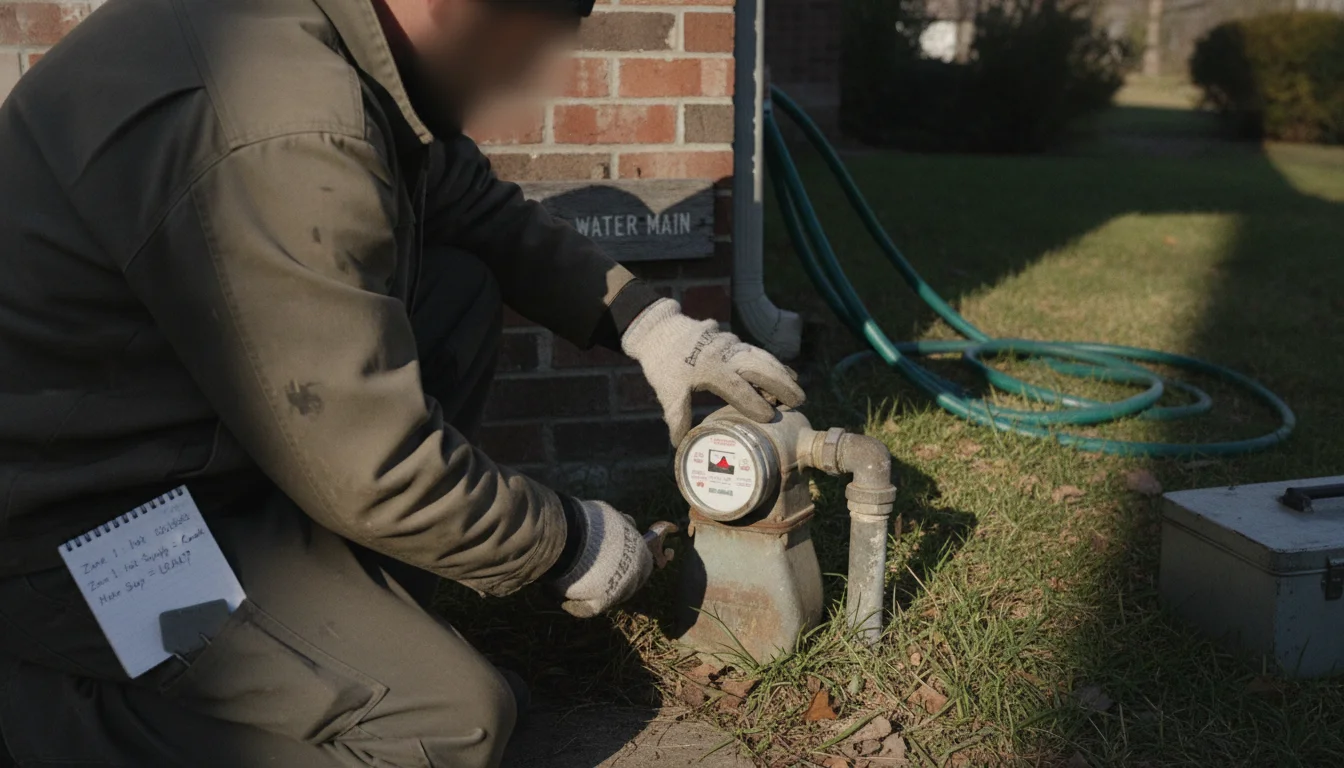
When time matters, start with the meter test. Your water meter tracks household usage. Turn off every tap, fixture, and water‑using appliance. Make sure toilets are not refilling. Pause briefly, then look for the leak indicator on the meter face—a small triangle or spinning dial. If it moves while everything is off, you likely have a hidden supply‑side leak.
Now prevent further damage. Locate the main shutoff valve, typically where water enters the home—often a basement, garage, or curb box in Newington neighborhoods. Turn a round handle clockwise to close; for a lever, turn a quarter turn until it sits perpendicular to the pipe. This stops water to the house. If water is near outlets or the service panel, switch off power to the affected area at the breaker. Water and live electricity are a dangerous mix.
With water off, wait a short period and recheck the meter. If the indicator stops, the problem is likely on your home’s supply side. If it still shows flow, the leak may be on the buried service line between the meter and the structure. Record what you observe with photos and quick notes; this helps a licensed plumber plan a targeted repair.
If you must keep limited water on for basic use, crack the main valve partway and monitor closely. Keep a bucket, towels, and a mop handy. Set a tray under active drips, and move rugs and furniture away from wet areas. These small steps slow the spread while you track the source.
2. Spot the Clues: Interior and Exterior Signs of a Water Leak
Leaks leave a trail if you know where to look. Start indoors where water is used most. In bathrooms, watch for loose caulk, soft flooring near the toilet, and staining under the sink. Run the shower and check the ceiling in the room below. In kitchens, open the sink base and inspect shutoff valves, supply lines, and the garbage disposal body. Wipe with a dry towel and see if moisture returns. In the laundry, inspect washer supply hoses and the drain connection. Brittle hoses or rusted clamps often point to slow seepage.
Basements can tell a clear story in Newington homes. Look for damp tracks along walls, white chalky deposits (efflorescence), and rust at pipe joints. A sump pit that runs more than usual during a dry spell can hint at a nearby plumbing leak. In attics, look for dark spots on the sheathing or insulation that feels heavy or matted. A roof leak can resemble a plumbing leak, so note whether stains follow rain events or appear on clear days.
Outside, walk the yard along the path from the meter or curb to the house. A bright green patch during a dry stretch or soggy soil near the foundation can indicate a service‑line issue. Check irrigation valves and backflow devices for hissing and wet boxes. Watch the curb for steady trickles that do not stop. If your meter shows flow with sprinklers off, an irrigation line may be the culprit.
Inspect foundation and slab edges. Hairline cracks are common, but wet, musty areas or warm spots on a finished floor can signal a hot‑water line leak under the slab. Note musty odors, bubbling paint, or peeling baseboards. These clues help you narrow the search area before opening any finishes.
3. Tools That Help: Simple Gear vs. Pro Instruments
Simple tools go a long way. A bright flashlight helps reveal sheen on pipes and tucked‑away corners. Dry towels test for weeps: place one under a joint and check later for dampness. Dye tabs—or a few drops of food coloring—help diagnose toilets: add color to the tank and wait; if color appears in the bowl without a flush, the flapper is leaking. A basic moisture meter shows relative dampness so you can compare a suspect area to a known dry spot.
A non‑contact voltage tester is wise when water is near wiring—it warns you before you touch. A small inspection mirror reveals the back side of traps and valves. Painter’s tape and a marker let you tag damp spots with time notes, keeping the process organized and calm.
Pros add specialized tools when needed. Acoustic microphones pick up leak noise through walls and floors. Thermal imaging maps temperature patterns—cool or warm bands that can trace active lines or saturated areas. Tracer gas methods fill a line with a light, safe gas; detectors find where it escapes, marking the leak point. These techniques reduce guesswork and minimize how much you need to open.
If signs remain vague or access is risky, consider professional Leak Detection Services. A licensed plumber can pair instruments with pressure testing to define the repair scope, saving time, materials, and disruption for Newington properties.
4. Step-by-Step Hunt: Track the Source Without Tearing Walls
Work from simple to complex. Start with fixtures and appliances. Toilets are frequent hidden offenders. Add dye to the tank and wait; listen for fill‑valve cycling when no one is using water. Check the base for dampness. For faucets and showers, run water and watch under‑sink traps and supply lines. Use a dry paper towel on joints; any darkening shows moisture.
Check the dishwasher and refrigerator supply line. Pull them forward if it’s safe. Look for kinks, corrosion, or wet dust lines. Inspect the water heater. Rust streaks, a damp pan, or a slow drip from the temperature‑and‑pressure relief valve are red flags. If hot water demand seems constant while the meter spins, a hot‑side leak is likely. If you need help with failed parts, ask about Water Heater Repair or Anode Rod Replacement Water Heater.
Now separate supply from drain issues. Supply leaks occur even when fixtures are off. Drain leaks show only while water flows. Try a timed test. Fill a sink or tub and let it sit briefly with the stopper in. If the meter stays still, open the drain and watch below. If dampness appears only during draining, focus on the trap, tailpiece, or drain line. If moisture grows during the hold period, suspect the overflow or supply lines.
Use shutoff valves to narrow zones. Close the cold supply to a bathroom group and check the meter. If the indicator stops, the leak is in that zone. Reopen it, then close the hot supply and compare. Repeat for other groups. This technique—valve isolation—guides you to the right room or line without widespread opening.
5. Hidden and Hard-to-Reach Leaks: Walls, Ceilings, Slabs, and Crawlspaces
Hidden leaks require careful pattern‑reading. Stains with sharp edges often mark older, dried leaks. Soft, expanding stains point to active moisture. A musty scent develops when materials stay damp and air does not circulate. Warped trim or bubbling paint can show water wicking up from below. Use your moisture meter to map the area and mark the wettest point. That spot is not always the source, but it guides where to open if needed.
Temperature tells you more. Run only hot water at a nearby fixture for a few minutes. Scan the wall or floor beside it. A warmer lane can trace the hot supply route. For ceilings, note joist direction. Water rides along framing and may drip far from the actual leak. Check above the stain, then one bay over. Slow, methodical checks reduce extra cuts.
Slab and service‑line leaks have unique clues. A warm area on tile can indicate a hot‑water line leak under the slab—bare feet can sense it. If the meter runs with all interior valves closed, the leak may be on the service line between the meter and the house. Walk the yard along that path for soft soil or a steady trickle at the curb. In crawlspaces common to some Newington homes, watch for dripping insulation tips, pooled water on vapor barriers, and mineral crust on copper joints.
When evidence points to a buried or slab leak, call a licensed plumber. Methods like acoustic listening and tracer gas pinpoint the issue through hard surfaces, reducing the size of the access opening and protecting finishes.
6. Found It—Now What? Mitigation, Drying, and When to Call a Pro
Once you identify the source, act to limit loss. Shut the nearest valve or the main. For tiny pinholes in copper, a temporary pipe repair clamp can hold while you arrange a proper fix. Wrap towels around active drips and swap them frequently. Move belongings off wet flooring. Use fans and open windows to ventilate the area. Keep indoor humidity down to slow mold growth. Document damage with photos and brief notes to help with planning or any claims.
If drywall is wet, consider small weep holes at the base to release trapped water. Turn off power to any wet outlet. Avoid running central air or heat if ducts or returns are wet. For standing water, use a wet/dry vacuum. If carpet padding smells or stays wet, plan to remove and replace it. Swift action in the first day or so is especially helpful for drying.
Call a licensed plumber when leaks are inside walls, under slabs, near electrical equipment, or when shutoff valves do not hold. Licensed plumber leak repair covers diagnosis, access, repair, and testing. Ask about the method, materials, and timeline. Costs vary by access, materials, and extent of damage. If your water heater failed, consider Water Heater Installation or Water Heater Repair. For aging supply lines, a plumber may recommend upgrades or water softener installation to protect the system.
If a break is sudden and large—like a burst pipe—shut the main and drain lines by opening faucets from lowest to highest to reduce pressure. Emergency leak repair for burst lines restores service with the right parts and testing.
7. Prevent the Next Leak: Maintenance, Pressure Control, and Smart Monitoring
Prevention is consistent, simple care. Check under sinks monthly. Feel for dampness and look for green or white crust on metal fittings. Replace brittle supply lines with braided stainless. Keep toilet flappers and fill valves in good condition. Flush the water heater per the manufacturer’s guidance to reduce sediment stress. If the anode rod is worn, plan Anode Rod Replacement Water Heater to help protect the tank.
Control water pressure. Excessive pressure strains joints and valves over time. A pressure reducing valve (PRV) keeps household pressure in a moderate, equipment‑friendly range. A simple gauge on a hose bib can help you check. If pressure seems high, a licensed plumber can adjust or replace the PRV. Consider water softener installation if hard water is leaving scale on fixtures and valves in your Newington property.
Smart tools catch trouble early. Place smart leak detectors under sinks, near the water heater, and behind the washer. Some systems link to automatic shutoff valves that close the main when a sensor trips. Track your water bill month to month. A steady rise without new use hints at a hidden issue. Keep a simple home log with meter readings during quiet times; patterns can reveal problems before damage grows.
Newington Plumbing works across Newington every week helping owners track and fix leaks efficiently. Whether it’s a slow toilet fill, a hidden slab leak, or water damage from a failed hose, our trained techs isolate the source and repair it with care while protecting finishes.
Frequently Asked Questions
How do I tell if my toilet is leaking into the bowl?
Add dye to the tank and wait without flushing. If color appears in the bowl, the flapper is not sealing. Also listen for a slow hiss or periodic refill. Replacing the flapper and cleaning the seat surface often resolves it.
What should I do first when a pipe bursts?
Shut off the main water valve right away. Open cold faucets to drain lines and reduce pressure. Turn off power to any wet area. Move items out of harm’s way. Use towels and a wet/dry vacuum to limit spread, then schedule a licensed plumber to repair and test the system.
Who installs hot water heaters and handles permits?
A licensed plumber installs water heaters and manages any code requirements. They size the unit, connect venting and gas or electric safely, and test for leaks. If replacing an older unit, ask about Water Heater Installation and any updates commonly required in Newington.
How do I fix a small leaking pipe joint myself?
Turn off water, dry the joint, and consider a temporary pipe repair clamp or an epoxy putty designed for plumbing. These are stopgaps to limit damage. Plan a proper repair with a licensed plumber to replace the failed section.
How often should I check the anode rod in a water heater?
Follow the manufacturer’s maintenance guidance. Many homeowners plan an inspection within a few years of installation and then as needed. If you have hard water or notice a rotten‑egg odor from hot water, ask about Anode Rod Replacement Water Heater.
Key takeaways
- Confirm quickly with a meter test before opening walls.
- Prioritize safety by shutting water and power in wet zones.
- Use valve isolation and timed tests to narrow the source.
- Call a licensed plumber for inside‑wall, slab, or unclear leaks.
- Prevent future issues with pressure control and smart sensors.
Conclusion
Finding hidden moisture is a method, not a guess. Start with the meter, move from simple fixture checks to valve isolation, and read patterns on surfaces before you cut. Newington Plumbing serves homes and businesses with leak detection, pipe repair, and water damage help. Contact us.
If you are not sure which of these you are dealing with, it is worth having someone look at it before it turns into a bigger job. Get in touch with Newington Plumbing today and we will tell you where you stand.